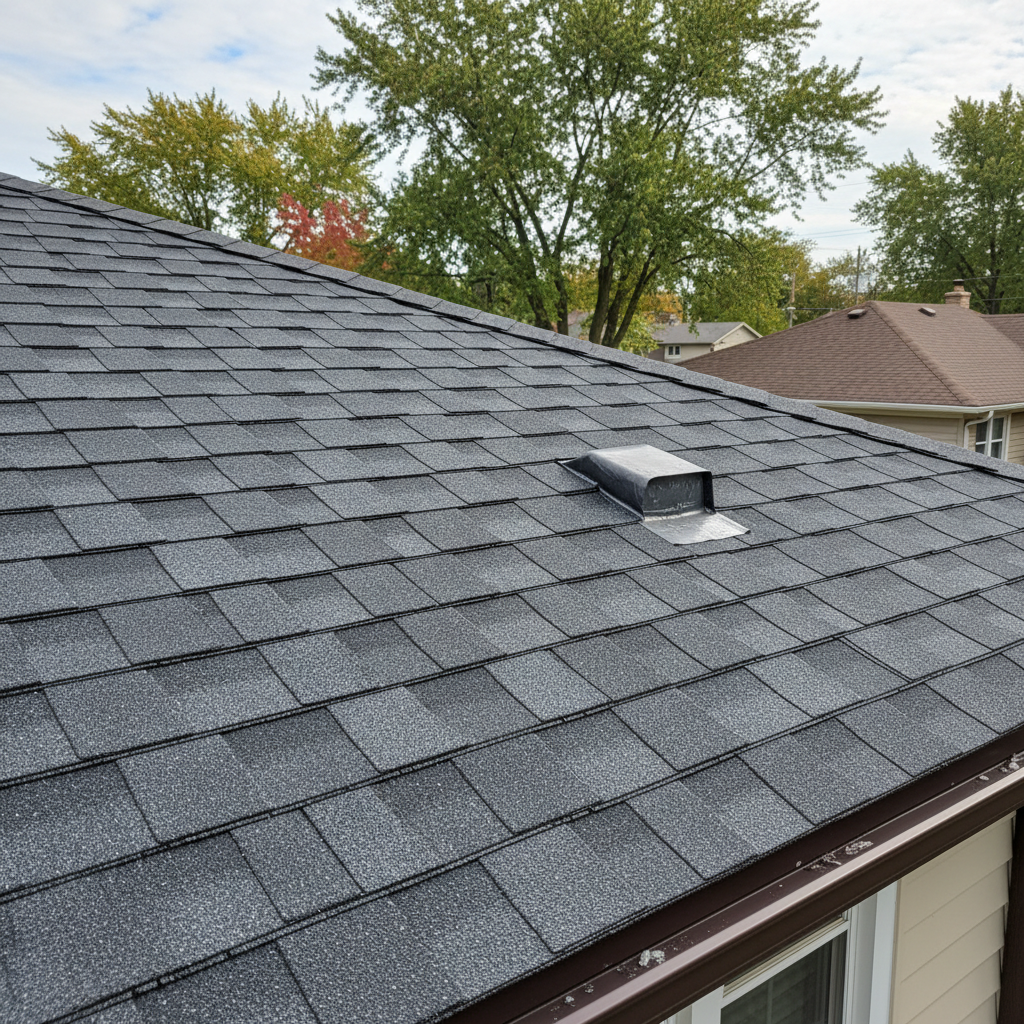
Think your roof might have a problem? Or maybe you just want to get ahead of things before a small issue turns into a big, expensive headache. I totally get it. As a Skokie contractor, I've seen countless roofs over the years, and honestly, a lot of homeowners can do some basic checks themselves. You don't need to become a roofing expert overnight, but knowing what to look for can save you a ton of trouble and money down the road.
Before You Even Look Up: Safety First, Always
Before you even think about grabbing a ladder, let's talk safety. Your roof is definitely not a playground. If you're not comfortable with heights, or if your roof is steep, wet, or covered in ice (which, let's be real, happens plenty here in Skokie during our winters), then please don't go up there. Seriously. It's just not worth the risk. A good pair of binoculars and a walk around your house can tell you a lot without ever leaving the ground. If you do decide to use a ladder, make sure it's sturdy, properly secured, and you've got someone spotting you. Wear non-slip shoes, too. And don't try to be a hero.
What You Can Check from the Ground (or a Safe Ladder)
This is where most homeowners can really make a difference. Grab those binoculars and take a slow walk around your house. Here's what you should be looking for:
- Missing or Damaged Shingles: Do any shingles look out of place? Are they curled, cracked, buckled, or completely gone? Even just one missing shingle can cause a big problem, letting water sneak underneath.
- Granule Loss: Take a peek in your gutters and downspouts. Are they full of shingle granules? A small amount is normal, especially on a newer roof, but if you see a lot, your shingles are probably wearing out and losing their protective coating.
- Flashing Issues: This is the metal material around chimneys, skylights, vents, and where your roof meets a wall. It's supposed to keep water out. Look for flashing that's bent, rusted, or loose. If it's not sealed right, water will absolutely find its way in.
- Sagging or Uneven Spots: Does any part of your roof look like it's dipping? That could mean a structural issue or serious water damage underneath.
- Clogged Gutters: Okay, not strictly a roof issue, but clogged gutters can make water back up, overflow, and damage your fascia, soffits, and even the roof edge itself. Keep them clear, especially after a big storm or in the fall when all those oak leaves from the Skokie Park District trees come down.
- Moss or Algae Growth: Those dark streaks or green patches aren't just ugly; they can hold moisture against your shingles, making them wear out faster.
Don't forget to check your attic, too, if you can safely get in there. Look for water stains on the underside of the roof decking, signs of mold, or daylight peeking through. Those are definite red flags, wouldn't you say?
When to Call a Professional (Like Skokie Roofing Solutions)
So, you've done your ground-level inspection and maybe you've spotted something concerning. Or maybe you just want peace of mind, and that's perfectly fine. That's when it's time to call in a pro. There are some things you just can't, or shouldn't, try to assess yourself:
- Active Leaks: If you've got water dripping into your home, you need a professional immediately. Don't wait on that.
- Significant Damage: Large sections of missing shingles, widespread granule loss, or obvious structural issues need an expert eye to figure out the full extent of the problem and recommend the right fix.
- Post-Storm Assessment: After a severe hailstorm or high winds, your roof might look okay from the ground, but there could be hidden damage. A professional inspection can spot subtle impacts or lifted shingles that aren't visible to the untrained eye.
- Age of Roof: If your roof is getting up there in years (say, 15-20+ for asphalt shingles), a professional inspection can give you an honest assessment of how much life it has left and help you plan for replacement.
- Selling Your Home: A pre-sale roof inspection can prevent nasty surprises during the buyer's inspection and give you some leverage in negotiations.
A professional inspection means someone actually gets up on the roof (safely, with the right equipment), examines every square foot, checks all penetrations, and often takes photos to show you exactly what they find. They'll look for things you might miss, like subtle soft spots in the decking or early signs of flashing failure that aren't obvious from below.
After the Inspection: What's Next?
Whether you've done a DIY check or had a pro out, you'll have a much better idea of your roof's condition. If you found minor issues you can handle, like clearing gutters, great! If you called us or another reputable contractor, you should get a detailed report outlining any problems, recommended repairs, and clear pricing. Don't feel pressured to make a decision on the spot, by the way. Get a second opinion if you want one. A good contractor will be transparent and answer all your questions.
Regular checks, even just once or twice a year—especially after big storms—can really extend the life of your roof and catch small problems before they become major headaches. It's all about being proactive, not reactive, especially with something as critical as your home's protection.