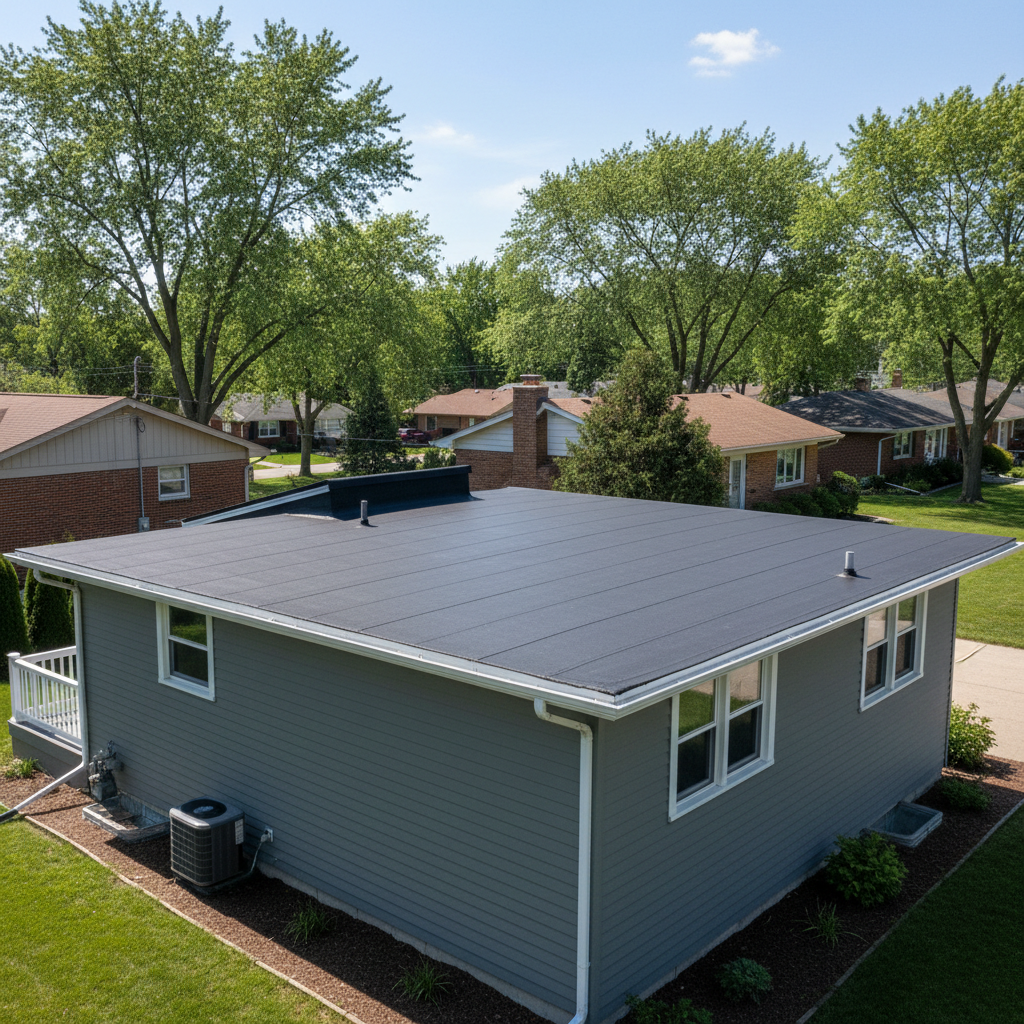
So, you're thinking about a flat roof project for your place right here in Skokie. Maybe it's for a new addition, or your garage, or you're finally getting around to replacing that old, leaky built-up roof. Whatever the reason, doing it the right way means you'll need to do a little bit of planning. Don't sweat it, this isn't rocket science, but knowing what's coming can definitely save you a bunch of headaches down the line.
Setting the Timeline: What to Expect
A flat roof project usually isn't an overnight thing, but it's not like building a whole new house either. Here’s a rough idea of how long things typically take:
- First Chat & Estimate (1-2 weeks): You give us (or another contractor) a call, and we set up a visit. We'll come out, measure things up, check out the roof you've got now, and chat through your options – TPO, EPDM, modified bitumen, whatever makes the most sense for your specific situation. Then, we'll send over a detailed quote.
- Your Decision & Scheduling (1-4 weeks): You'll look over the quote, ask any questions you have, maybe even get a second opinion. Once you're ready, you sign the contract, and we'll get you penciled into our schedule. Our schedule can really change depending on the time of year, you know? Spring and fall are always super busy, but we always do our best to fit you in.
- Permits (2-4 weeks, sometimes more): This part is mostly out of our hands, honestly. Skokie requires permits for most roof replacements. We'll handle filling out the application, but the village's building department has its own timeline. We can't actually start any work until that permit is officially in hand.
- Material Delivery (1-2 days before start): We'll coordinate all of this. Materials often show up a day or two before our crew does, so don't be surprised if you see a big pile of insulation or rolls of membrane sitting in your driveway.
- Actual Installation (2-5 days): For most residential flat roofs – like a garage, a small addition, or even a moderate-sized home – the actual tear-off and installation can take anywhere from two to five days. Bigger, more complicated jobs will naturally take longer. Weather plays a huge role here; we simply can't lay down membrane in the rain or when it's too cold.
- Final Inspection (1-2 weeks after completion): After we're all done, the village inspector will come out to make sure everything was done to code. We'll set this up for you.
So, from your very first call to that final inspection, you're probably looking at anywhere from 6 to 12 weeks. It really depends on how quickly you make decisions and how swamped the permit office is. Don't let anyone tell you they can start next week and be done by Friday, unless it's just a tiny repair. That's just not how things work when you're dealing with permits and proper scheduling.
What to Expect During the Project
When our crew shows up, here's a little preview of what your property will look like for a few days:
- Noise: Oh yeah, there's going to be noise. Tearing off the old roof means prying up old materials, and installation involves machinery and hammers. If you work from home, you might want to plan for some distractions.
- Debris: We'll have a dumpster or a truck on site for all the debris. We really try our best to keep the site clean, but there will be dust and little bits of old roofing material. We'll do a thorough cleanup every day and a final sweep with magnets for any stray fasteners.
- Foot Traffic: Our crew will be all over your roof and around your house. They're professionals, of course, but it's still going to be a busy construction zone.
- Protection: We'll lay down tarps to protect your landscaping, but it's always a good idea to move any delicate potted plants or garden decorations beforehand.
How to Prepare Your Home
A little bit of prep on your end can really make things go smoothly:
- Clear the Perimeter: Move cars out of the driveway or garage if we need access. Also, clear anything valuable or fragile from around the foundation of your house.
- Secure Loose Items: Wind can pick up small items, especially when we're tearing off the old roof. So, secure patio furniture, garden gnomes, or anything else that might just blow away.
- Protect Interiors: If you have anything delicate or valuable hanging on walls directly below where we're working on the roof – especially on the top floor – you might want to consider taking it down. Vibrations can sometimes cause things to shift, you know?
- Inform Neighbors: Give your neighbors a heads-up about the noise and activity. It's just good etiquette, right?
- Pets & Kids: Please keep pets indoors and kids away from the work area. A construction site is definitely not a playground.
Questions to Ask Before Signing That Contract
You've got the quote, you like what you hear, but before you put your name on the dotted line, make sure you've asked these:
- What specific materials are you using? Don't just accept