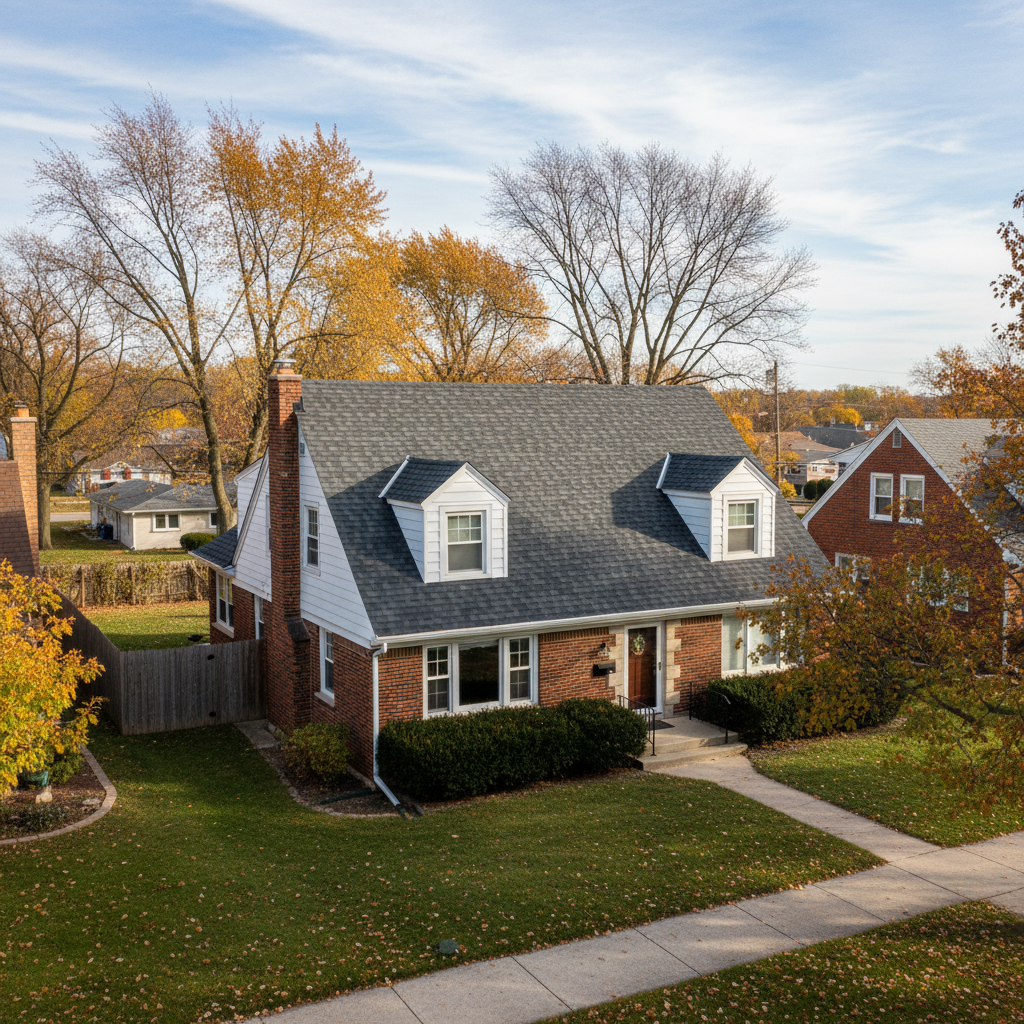
When Should You Get a New Roof in Skokie?
So, you're thinking about a new roof, and naturally, one of the first things that comes to mind is, "When's the best time to actually do it?" Totally fair question, especially around here. Our Skokie weather, as you know, can be pretty wild, going from super humid summers to freezing winters in what feels like a blink. From my experience, the sweet spot for most roofing projects is definitely spring and fall.
Why those seasons, you ask? Well, you really want temperatures that stay consistently above freezing but aren't scorching hot. Spring, say late April through June, is usually perfect. The ground's thawed out, the days are getting longer, and you don't have to stress as much about sudden, deep freezes. Fall, from September through early November, is also prime time. The air feels crisp, and you're typically past the worst of the summer humidity and thunderstorms, but not yet into that brutal cold.
These moderate temperatures are super important for a few reasons. Take asphalt shingles, for example—they're incredibly common in our Skokie neighborhoods. Their adhesive strips need warmth to seal properly. If it's too cold, they just won't bond right, leaving your shingles vulnerable to wind lift. If it's too hot, though, the shingles can get overly soft, making them harder to handle without damage and possibly causing issues with how they lay. Plus, let's be honest, it's just safer and way more comfortable for my crew to work when it's not 95 degrees with 90% humidity or 10 degrees with ice everywhere. Nobody wants that.
Weather Woes: What Really Stops a Roofing Job?
People often ask if we can roof in the winter. Technically, sure, we *can*. But I generally advise against it unless it's a real emergency. The cold can make materials brittle, and working on an icy roof is a massive safety risk. And, like I mentioned, those shingle adhesives really don't like the cold at all.
Rain and heavy winds are the obvious deal-breakers. We can't tear off an old roof and just leave your home exposed to the elements, so if there's significant rain in the forecast, we'll absolutely reschedule. High winds are also a no-go. Not only is it dangerous for the crew, but flying debris is a serious hazard, and it's nearly impossible to install roofing materials correctly when they're getting whipped around. Even just a light drizzle can make a roof surface slippery and unsafe.
Humidity is another factor, though it's more about comfort and how we handle materials than a hard stop. Our Skokie summers can get really muggy, which makes for a tough workday and can sometimes affect how certain sealants cure. It's less of a concern for standard shingle installation than extreme cold, but still, something to think about.
Year-Round Protection: Keeping Your Roof in Top Shape
Once you've got a solid roof over your head, you want it to last, right? Protecting that investment means giving it a little year-round attention. It's not just about what happens during installation; it's about what you do afterward.
- Keep those gutters clean: This is huge, especially with all the mature trees we have around Skokie. Clogged gutters mean water can't drain properly. It'll back up, sit on your roof, and eventually find its way under shingles or fascia, leading to rot and leaks. Do this in late fall after the leaves drop and again in spring.
- Trim back branches: Any branches hanging over or touching your roof are a problem. They can scrape shingles, drop debris that clogs gutters, and give squirrels or other critters easy access to your attic.
- Look for signs of trouble: After a big storm, or even just once a season, take a look at your roof from the ground with binoculars. Are there missing or damaged shingles? Is anything curling or blistering? See any granules in your gutters? Those are all clues.
- Don't ignore small leaks: A tiny drip in your attic can turn into a major headache fast. If you spot a leak, don't put it off. Get it checked out.
We've seen it all here at Skokie Roofing Solutions, from minor repairs to full replacements. Taking these steps can really extend the life of your roof and save you a lot of money and stress down the line. A little preventative care goes a long way, especially with the kind of weather we get here in Chicagoland.