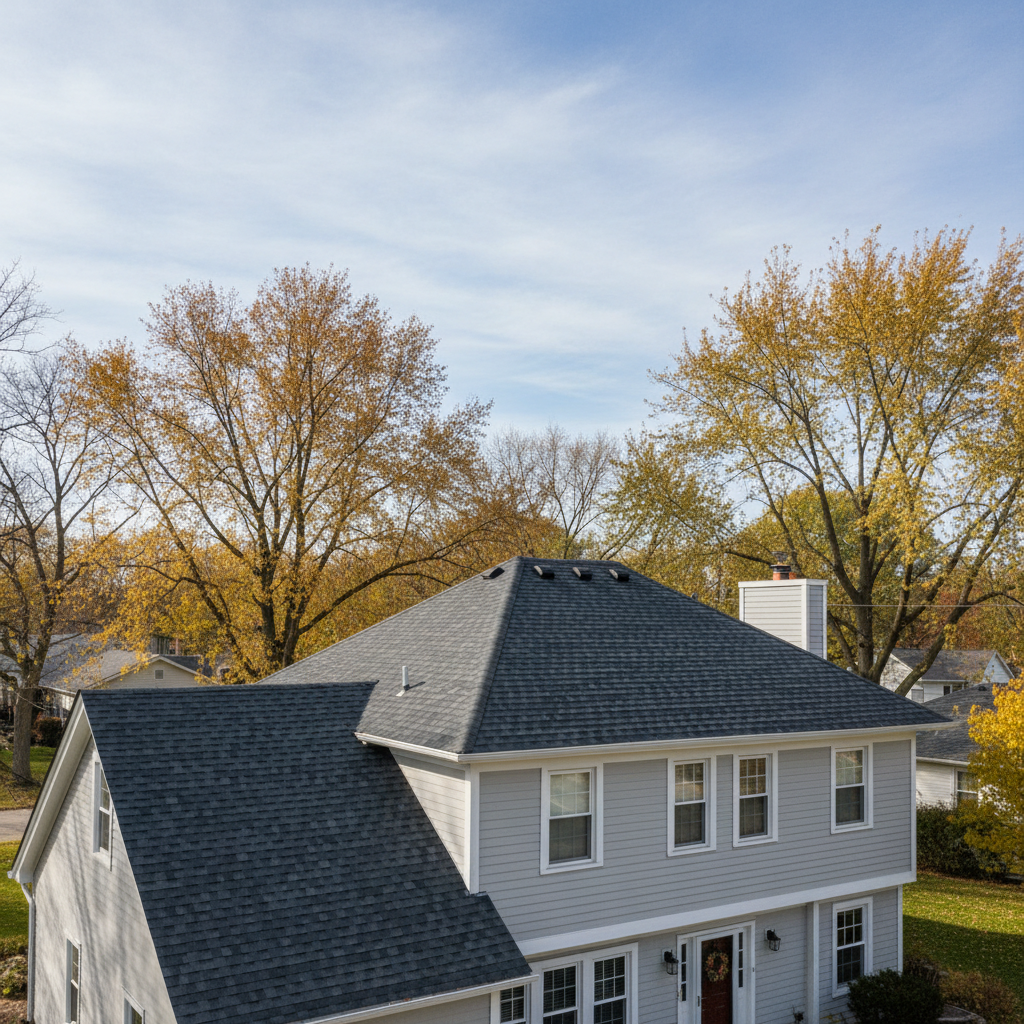
When's the best time to get a new roof here in Skokie? That's a question I hear all the time, and honestly, there isn't one single perfect answer. Our weather in Chicagoland, with its wild swings from freezing winters to humid summers, means you've got to think about more than just the calendar. It's really about understanding how the elements affect the actual installation and, of course, the long-term health of your roof.
Skokie's Climate and What It Means for Your Roof
Our climate really calls the shots around here. We're not in Arizona, where it's mostly sunny and dry. Here, we deal with a bit of everything: brutal cold, heavy snow, sudden downpours, and scorching heat. Each of these conditions can change how roofing materials act and how well they stick. That's why picking the right time and having an experienced crew on the job is so important.
Take asphalt shingles, for example—they're super common on homes around Devonshire and Niles Center Road. They need specific temperatures to seal correctly. Those little adhesive strips on the back of each shingle need warmth to activate and bond to the shingle below it. This "thermal sealing" is critical for stopping wind from lifting shingles and preventing water from getting in. If it's too cold, they won't seal right away, leaving your roof vulnerable until warmer weather shows up. And if it's too hot? The shingles can get too soft and easily scuffed or damaged while we're putting them on.
Scheduling Your Roof Project: Timing Is Everything
So, when's the sweet spot? Generally, I tell folks that late spring, early summer, and early fall are your best bets. Let me tell you why:
- Late Spring (April-May): The ground has thawed, the worst of winter storms are usually behind us, and temperatures are pretty mild and consistent. It's warm enough for shingles to seal properly, and we're less likely to run into extreme heat or cold.
- Early Summer (June-July): This is still a good window. Days are long, which gives crews more daylight hours to work. You just have to watch out for those pop-up thunderstorms and make sure your contractor has a solid plan for protecting your home if rain starts to roll in.
- Early Fall (September-October): This often turns out to be ideal. The humidity drops, temperatures are comfortable, and you're usually past the peak of summer storms. It's a fantastic time to get the roof done before the really cold weather sets in.
What about winter? Can you install a roof in January? Yes, you can, but it's definitely more challenging. We have to take special precautions, like using cold-weather adhesives or hand-sealing shingles if it's too frigid for the sun to do its job. It also means slower work and sometimes higher costs. I'd only recommend it if it's an emergency or absolutely necessary, and you've got a contractor like Skokie Roofing Solutions who knows how to handle those conditions safely and effectively.
Weather Conditions That Really Affect the Work
Beyond just the season, specific weather conditions on the day of installation matter a lot. A whole lot, actually.
- Rain: Obvious, right? You simply can't install a roof in the rain. Water under new shingles can cause adhesion problems and even lead to mold or rot down the line. A good contractor will always tarp your roof if rain is expected during an unfinished job.
- High Winds: Strong winds can make working on a roof dangerous. They can also blow materials around, causing damage or making installation tricky. It's a safety hazard for the crew and a risk for your property, no doubt about it.
- Extreme Heat: As I mentioned, super hot days can make shingles too soft. They can also make the work incredibly strenuous for the crew. We often start earlier on those days to beat the worst of the heat.
- Extreme Cold: Shingles become brittle in the cold, which means they can crack easily during installation. Plus, that sealing issue we talked about? That's a big one.
A reputable contractor will always keep a close eye on the forecast and let you know about any necessary schedule changes due to weather. We're not trying to delay your project; we're trying to make sure it's done right and lasts a long, long time.
Protecting Your Investment All Year Round
Once your new roof is on, your job isn't quite over. You've made a big investment, and you want it to last, right? Here's what you can do:
- Regular Inspections: I always recommend a professional inspection every 1-2 years, especially after a rough winter or a big storm. It's like getting the oil changed in your car – preventative maintenance saves you money in the long run.
- Clear Gutters: This is huge. Clogged gutters cause water to back up, which can lead to ice dams in winter and water damage to your fascia and soffits year-round. Keep 'em clean!
- Trim Trees: Overhanging branches can rub against your roof, wearing away granules, or even fall on your roof during a storm. Keep them trimmed back a few feet.
- Watch for Warning Signs: Missing shingles, granules in your gutters, dark streaks, or sagging spots are all signs that something might be wrong. Don't ignore them.
Getting a new roof is a significant project. By understanding how Skokie's unique weather impacts the installation and by taking good care of your roof afterward, you're making sure your home stays protected for decades to come. If you have questions about your specific situation, don't hesitate to give us a call.