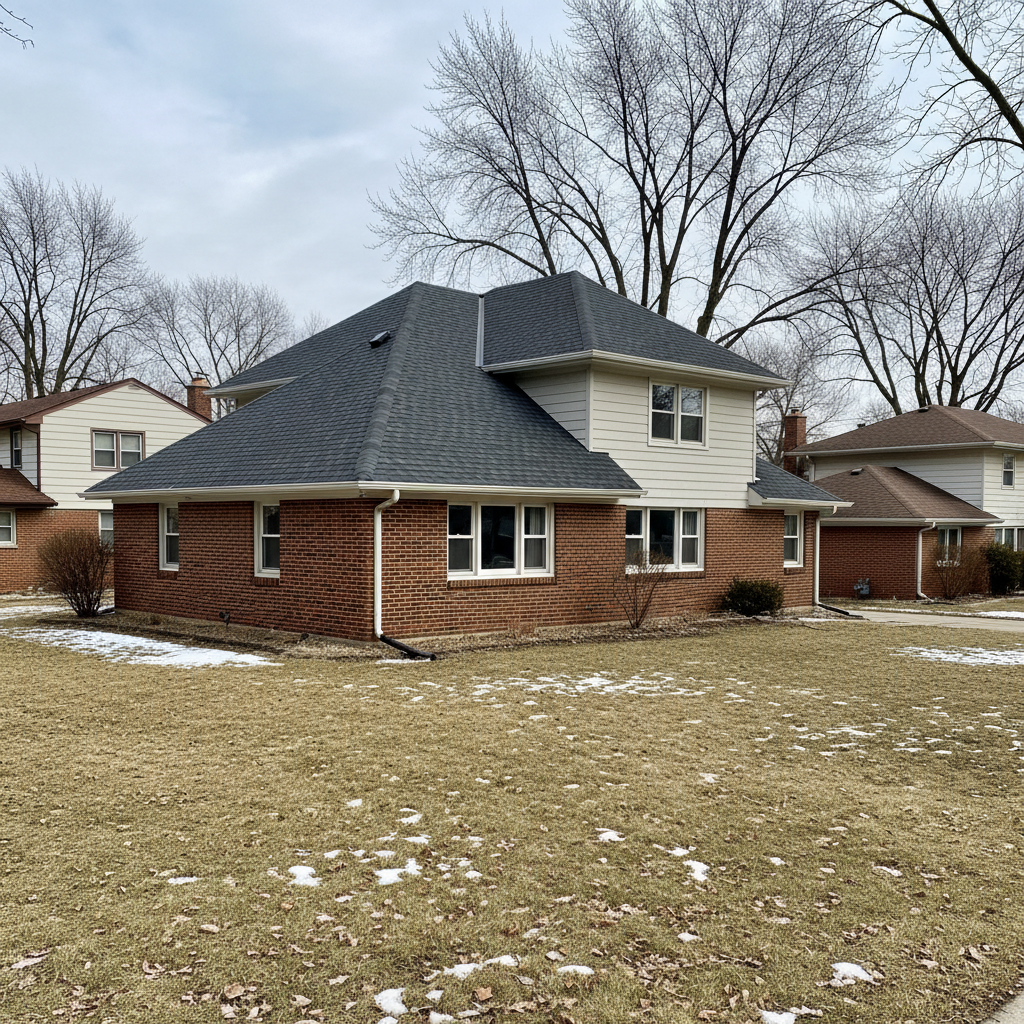
When's the best time to replace your roof here in Skokie? That's a question I hear a lot, and for good reason. Our weather isn't exactly predictable, is it? One day it's 70 and sunny, the next it's a blizzard. This kind of crazy weather really affects roofing work, and if you understand it, you can save yourself a lot of headaches and money down the line.
Why Picking the Right Time for Your Roof Replacement Matters
You might think a roof is just a roof, and we can replace it whenever. Not quite. The materials we use—especially the asphalt shingles most homes around here have—work best when we install them within certain temperature ranges. If it's too cold, shingles can get brittle and won't seal right. If it's too hot, they can get too soft, making them tough to handle without damage and causing adhesion problems. Plus, the glues and sealants we use need specific conditions to set properly.
Ignoring these conditions can cause problems later on: shingles failing too soon, leaks, or even your warranty becoming void if the manufacturer's installation rules weren't followed. You don't want that, and honestly, neither do I.
The Best Seasons for Roofing in Skokie
So, what's the sweet spot? Generally, I'd say late spring, summer, and early fall are your best bets. Here's why:
Late Spring (April-May): The ground has usually thawed out by then, and daily temperatures are consistently above freezing. We get some rain, sure, but typically not the heavy, long downpours that shut down a job site. It's a smart time to get your project done before the summer rush hits.
Summer (June-August): This is prime roofing season. Longer daylight hours mean we can get more work done. Temperatures are just right for shingles to stick and sealants to cure. The biggest challenge? Those pop-up thunderstorms. We always keep a close eye on the forecast and make sure your home is watertight at the end of each day, even if the job isn't quite finished.
Early Fall (September-October): Still excellent. The summer heat breaks, but it's still warm enough for materials to work well. Less humidity can also be a real plus. We're usually racing against the clock before the really cold weather sets in, so scheduling early in the fall is a good move.
What about winter? It's possible, but it's generally tougher and often costs more because of specialized equipment and slower work. We'll definitely do emergency repairs in winter, but a full replacement? We try to avoid it unless it's absolutely necessary. The cold, ice, and snow make things hard on both our crews and the materials.
Weather Conditions That Stop Work
Even in the best seasons, Mother Nature can throw a wrench in our plans. Here are the main things that'll halt a roofing job:
Heavy Rain: Obvious, right? We can't safely work on a wet roof, and tearing off old shingles in a downpour is just asking for water damage inside your home. Keeping your house dry is our top priority, always.
High Winds: Skokie gets some serious gusts sometimes, especially near the open areas around the Edens Expressway. Working on a roof in high winds is incredibly dangerous for the crew. Plus, shingles can blow away during installation, and debris can turn into projectiles. Not good.
Extreme Cold: Consistently below 40 degrees Fahrenheit, and especially below freezing, makes shingles brittle. They can crack when we handle or nail them, and the adhesive strips won't activate properly. This really messes with the integrity of your new roof.
Extreme Heat: While it's less common for stopping work entirely, temperatures consistently above 90 degrees can make shingles too soft, leading to scuffing or damage during installation. It also makes for brutal working conditions for the crew, which can slow things down quite a bit.
When these conditions pop up, we'll talk to you right away about rescheduling. Your safety, our crew's safety, and the quality of your roof are always what matter most.
Protecting Your Investment Year-Round
A new roof from Skokie Roofing Solutions is built to last, but you've got a role to play in keeping it that way. Here's what you can do:
Regular Inspections: I suggest a visual check twice a year, usually in spring and fall. Look for missing or damaged shingles, curling edges, or granules collecting in your gutters. If you spot anything concerning, just give us a call.
Keep Gutters Clean: Clogged gutters cause water to back up, which can seep under your shingles and rot your fascia board. It's a common issue, especially with all the mature trees in neighborhoods like Devonshire and Niles Center, wouldn't you say?
Trim Overhanging Branches: Branches rubbing against your roof can wear down shingles over time. Heavy branches can also fall during storms, causing significant damage.
Check Your Attic: Every now and then, peek into your attic. Look for signs of water stains on the underside of the roof decking, or any daylight coming through. Proper ventilation is also super important for preventing heat and moisture buildup, which can shorten your roof's life.
Getting a new roof is a big investment, and choosing the right time for installation, understanding how the weather affects things, and then taking good care of it afterward will make sure it protects your home for decades. If you're thinking about a replacement or have questions about your current roof, don't hesitate to reach out to Skokie Roofing Solutions. We're here to help.