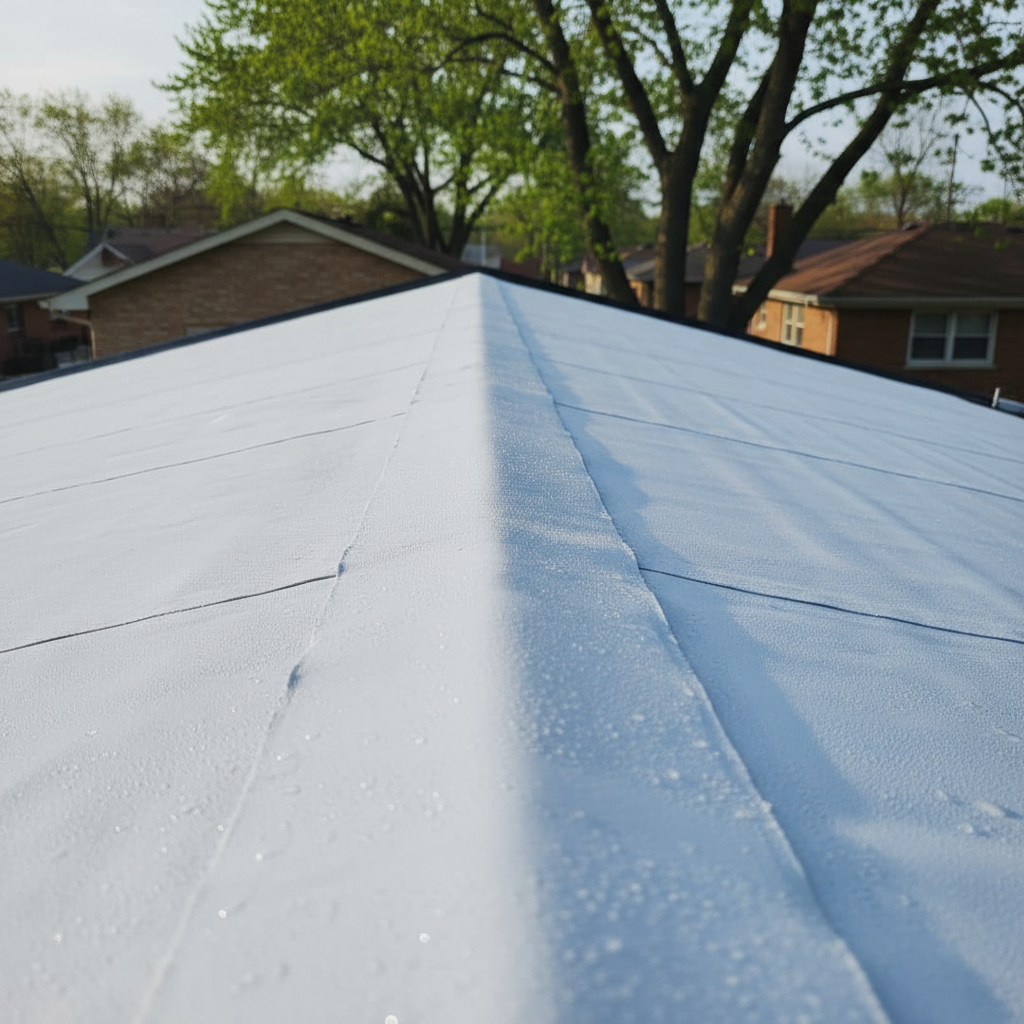
So, you've got a flat roof on your Skokie home, right? Maybe it's over a garage addition, a porch, or even the whole house. You've probably heard about TPO roofing and are wondering if it's the right fit for you. It's a really popular choice for commercial buildings, sure, but it’s also popping up more and more on residential properties, especially for those low-slope or flat roofs. Let's dig into what you need to know.
Before the Project: Getting Ready for TPO
First off, TPO isn't really a DIY job for most homeowners. I'm talking about the actual installation here. It takes specialized equipment and training to properly weld the seams and make sure you get a watertight seal. If you mess that up, well, you're looking at leaks, and that's a headache nobody wants, is it?
What you can do before the project starts is a lot of the prep work. This can save you some money and just make the whole process go a lot smoother. Here's what I usually recommend:
- Clear the Roof Deck: Get rid of any old satellite dishes, antennas, or vents you're not using anymore. If it's not serving a purpose, it really shouldn't be up there.
- Trim Overhanging Branches: Skokie has some beautiful old trees, especially in neighborhoods like Devonshire. But those branches can scrape against your new TPO, drop debris, and even become a pathway for critters. Trim them back at least six feet from the roofline.
- Inspect the Decking: If you're comfortable and safe on a ladder, take a look at the roof deck. Are there any soft spots? Obvious water damage? Point these out to your contractor. We'll do our own inspection, of course, but your insights can be really helpful.
- Research Your Contractor: This is a big one. Don't just go with the cheapest bid. Look for someone with experience specifically in TPO installation. Ask for references, check their licensing and insurance. You want a local company that stands behind their work, like Skokie Roofing Solutions.
One thing you’ll definitely want to discuss with your contractor is insulation. TPO is a single-ply membrane, so the insulation underneath is super important for your home's energy efficiency. We often see older flat roofs in Skokie with minimal insulation, and upgrading it during a TPO installation is a smart move that really pays off in lower energy bills.
During the Project: What to Expect
Once you've picked your contractor and the project is underway, it's mostly hands-off for you. That's a good thing, because a professional TPO installation is a pretty precise operation.
- Noise: There will be noise. Removing the old roof, setting up equipment, and the actual welding process can get loud. Plan accordingly if you work from home or have young children.
- Debris: Expect some mess. Good contractors will manage this with tarps and regular clean-up, but it's a construction site, after all. Keep pets and kids away from the work area.
- Access: Your crew will need clear access to your roof. Make sure driveways are clear and any valuable landscaping near the house is protected.
The TPO membrane itself comes in large rolls. We'll unroll it, cut it to size, and then either mechanically fasten it or adhere it to the insulation and roof deck. The most critical part, though, is the seams. TPO is thermoplastic, meaning we heat-weld the seams together — essentially melting them into one continuous, watertight sheet. This is where the specialized equipment and expertise really come into play. You can't just slap some glue on it and call it a day, can you?
Don't be afraid to ask your contractor questions during the process. A good one will be happy to explain what they're doing and why.
After the Project: Maintaining Your TPO Roof
Congratulations, you've got a new TPO roof! These roofs are known for their durability and low maintenance, but